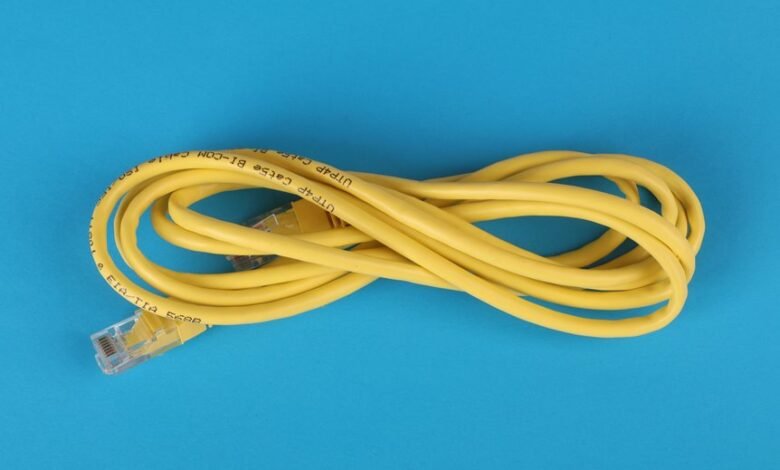
A Rocksmith cable alternative covers any setup that lets a guitar connect to Rocksmith or similar software without the official cable. It includes wireless adapters, USB audio interfaces, and third‑party cables. The focus is stable, low-latency data transfer, broad protocol support, and reliable driver behavior. Latency, jitter, and buffering shape real-time feel and practice quality. Budget, ease of setup, and long-term viability all influence suitability, but trade-offs remain. The question becomes: which path best matches a given rig and goals?
What Counts as a Rocksmith Cable Alternative
What counts as a Rocksmith cable alternative is defined by compatibility, latency, and data protocol.
The discussion centers on how a rocksmith cable interfaces with software, hardware, and drivers, highlighting compatibility issues that affect recognition and signal integrity.
A viable alternative balances low latency, stable data transfer, and broad protocol support, enabling reliable gameplay without proprietary constraints.
Compare Core Options: Wireless Adapters, USB Audio Interfaces, and Third-Party Cables
Wireless adapters, USB audio interfaces, and third-party cables each offer distinct trade-offs in latency, compatibility, and ease of setup.
The comparison centers on practical results rather than hype, highlighting wireless adapters’ portability, USB interfaces’ sound quality potential, and third-party cables’ cost efficiency.
Consider latency tradeoffs, reliability gaps, and compatibility caveats when selecting configurations aligned with personal freedom and control.
How Latency, Compatibility, and Practice Quality Change by Setup
Latency, compatibility, and practice quality shift predictably with the chosen setup, driven by inherent trade-offs between hardware latency, driver support, and signal paths.
Latency vs. reliability hinges on interface firmware and OS buffers, while compatibility depends on drivers and sample rates.
Budget vs. performance captures compromises in jitter, isolation, and plug‑and‑play stability, guiding setup choice for targeted practice outcomes.
Choosing the Right Setup for Your Gear and Budget
Choosing the right setup hinges on aligning gear capabilities with budget constraints to maximize practice quality and reliability.
The analysis focuses on hardware latency and how it scales with interface quality, drivers, and sample rate.
Readers weigh budget tradeoffs against latency stability and reliability, selecting configurations that balance real-time responsiveness with long-term practicality for consistent, flexible practice, performance, and growth.
Frequently Asked Questions
Can I Use a Smartphone as a Rocksmith Cable Substitute?
A smartphone substitution is feasible for some Rocksmith setups, but reliability varies. It can work with proper adapters, yet wireless latency remains a concern; expect inconsistent tone sync and potential input lag, particularly on older devices.
Do Wireless Adapters Affect Tuning Stability or Pitch Accuracy?
Kicking back, wireless adapters can affect tuning stability and pitch accuracy; their performance hinges on signal integrity. Wireless stability tends to dip with interference, while pitch precision remains largely dependable if latency is low and jitter is minimized.
Is Latency the Same Across All Rocksmith Compatible Setups?
Latency is not identical across Rocksmith setups; a latency comparison reveals USB wired generally offers lower delay than wireless. Different configurations vary, so USB vs wireless remains the core divide for stability and responsiveness in latency-sensitive play.
Are There Hidden Costs Beyond the Initial Hardware Purchase?
There can be hidden fees and ongoing maintenance costs beyond the initial hardware purchase, though amounts vary by setup; users should assess optional subscriptions, service plans, firmware updates, and peripheral replacements to gauge total ownership and long-term budgeting.
Which Setup Works Best for Multi-Instrument Players?
In allegory, a seasoned craftsman surveys a forest of gear; a multi instrument setup comparison reveals harmony when routes unify signals, latency is minimized, and seamless switching prevails, empowering freedom-loving players with flexible, reliable performance.
Conclusion
In summary, a Rocksmith cable alternative covers wireless adapters, USB audio interfaces, and third‑party cables that bridge guitar and software without the official cable. Each path trades latency, compatibility, and ease of setup for cost and reliability, with drivers and buffers shaping real‑time feel. The prudent choice aligns with the player’s gear, budget, and tolerance for jitter. It’s a map, not a magic wand, guiding users toward smoother practice — a lighthouse in a sea of signals.