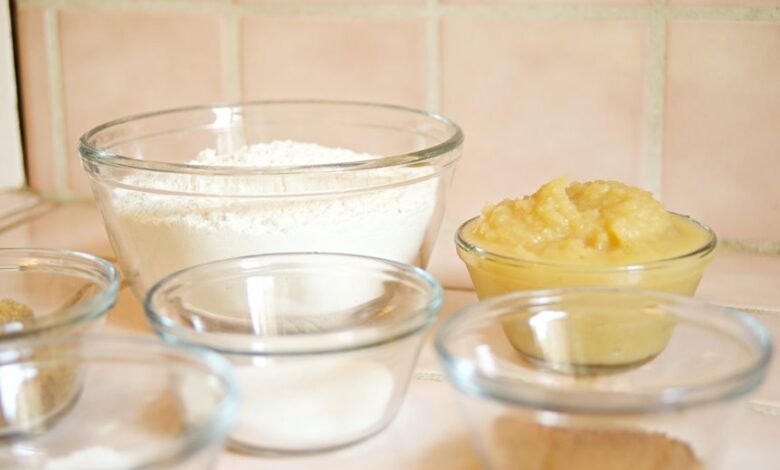
Nivhullshi centers on core grains defined by starch profiles, gluten content, and milling behavior to form a stable base. Aromatic herbs and seasonings are layered to heighten aroma without altering texture. Proteins and legumes balance mouthfeel and cohesion while regulating hydration. Texture cues ensure uniform dispersion across portions. Optional regional twists and flavor boosters offer modular refinements that preserve foundational structure, enabling reproducible, culturally resonant servings under varied conditions, and inviting further examination of how each component interfaces.
What Core Grains Form Nivhullshi’s Base
In examining Nivhullshi’s base, the core grains are identified by their starch profiles, gluten content, and milling characteristics. The analysis details intrinsic properties, comparative functionality, and compatibility with subsequent formulations.
A concise evaluation notes how distinct grain classes influence texture and structure. Observations reference a spice blend and cooking technique as contextual applications, without overextending scope.
The Aromatic Herbs And Seasonings That Lift Every Bite
The aromatic herbs and seasonings employed in Nivhullshi are selected to complement the established grain base, amplifying aroma and perceived flavor without altering fundamental texture.
The formulation emphasizes consistent aromatics, controlled volatility, and resonance with the grain matrix.
Each addition supports a coherent cooking technique and enhances plating aesthetics, yielding precise, uncluttered sensory cues suitable for freedom-minded evaluators.
Proteins, Legumes, And Textures For Contrast
Proteins, legumes, and textures for contrast are selected to complement the grain matrix without compromising cohesive mouthfeel.
The formulation analyzes protein textures and legume contrasts to balance chewing dynamics, hydration, and structural integrity.
Legume contrasts introduce nuanced bite without overpowering flavor.
Texture engineering emphasizes uniform dispersion, controlled breakpoints, and sustained release, ensuring a disciplined, adaptable mouthfeel across serving conditions.
Additional Flavor Boosters And Optional Regional Twists
Additional flavor boosters and optional regional twists are evaluated to augment baseline profile without altering core grain structure.
The analysis identifies regional twists and flavor boosters as modular variables, enabling targeted aroma, texture, and aftertaste refinements without compromising foundational Nivhullshi parameters.
Selection follows reproducibility, cultural compatibility, and sensory neutrality, ensuring freedom of experimentation within defined safety and quality constraints.
Frequently Asked Questions
How Is Texture Contrast Achieved in Nivhullshi Beyond Base Ingredients?
The texture contrast is achieved through deliberate micro-structure manipulation, creating layered mouthfeel interplay. Nivhullshi employs varied particle sizes and cohesive suspensions to modulate bite, slip, and resonance, achieving a precise, dynamic mouthfeel interplay within the dish’s framework.
Are There Traditional Fermentation Methods Used in Nivhullshi?
Traditional fermentation practices exist in nivhullshi, though they vary regionally. The process often relies on controlled microbial cultures and time-based maturation. Regional substitutes may substitute base fermentables, affecting acidity, texture, and flavor integration within established fermentation timelines.
What Regional Substitutes Exist for Common Nivhullshi Spices?
Regional substitutes exist for common spices, enabling flavor adaptation; fermentation methods contribute texture contrast. The analysis identifies regional substitutes, assesses their impact on aroma and mouthfeel, and notes that processing choices influence overall balance and freedom in culinary expression.
Do Sweet Elements Ever Feature in Nivhullshi Recipes?
Do sweet elements appear in nivhullshi recipes? Yes, intermittently, though they emphasize balance. The analysis notes texture contrast achieved through carefully measured sweet elements, balancing heat and acidity while preserving cultural integrity and allowing culinary freedom within structure.
How Do Cooking Temperatures Affect Flavor Balance in Nivhullshi?
Temperature shifts alter nivhullshi flavor balance by modulating volatile compounds; higher heat can intensify spice balance while potentially dulling subtler aromatics. This aroma modulation depends on fat content and ingredient interactions, enabling precise, freedom-focused culinary experimentation.
Conclusion
The study confirms a coherent structure: core grains establish a stable matrix, while aromatic components elevate perception of aroma without compromising texture. Proteins and legumes balance mouthfeel and hydration, supporting uniform dispersion and cohesive chew. Texture cues reinforce consistency across batches, ensuring reproducible results. Optional regional twists and flavor boosters finely tune cultural resonance without destabilizing the base. In a serendipitous overlap, a shared whisk of scent and grain appears where ingredients align, suggesting culinary universality through deliberate modularity.